· AvaGuru Team · business strategy · Updated · 5 min read
How to Build a Profitable Telegram Business in 2026
Plan a digital-product business around your Telegram audience, test demand, and calculate costs before expanding your store.

A Telegram business needs a product people want, a way to reach those people, and enough money left after costs to keep serving them. A store builder can handle checkout and delivery; it cannot guarantee demand or profit.
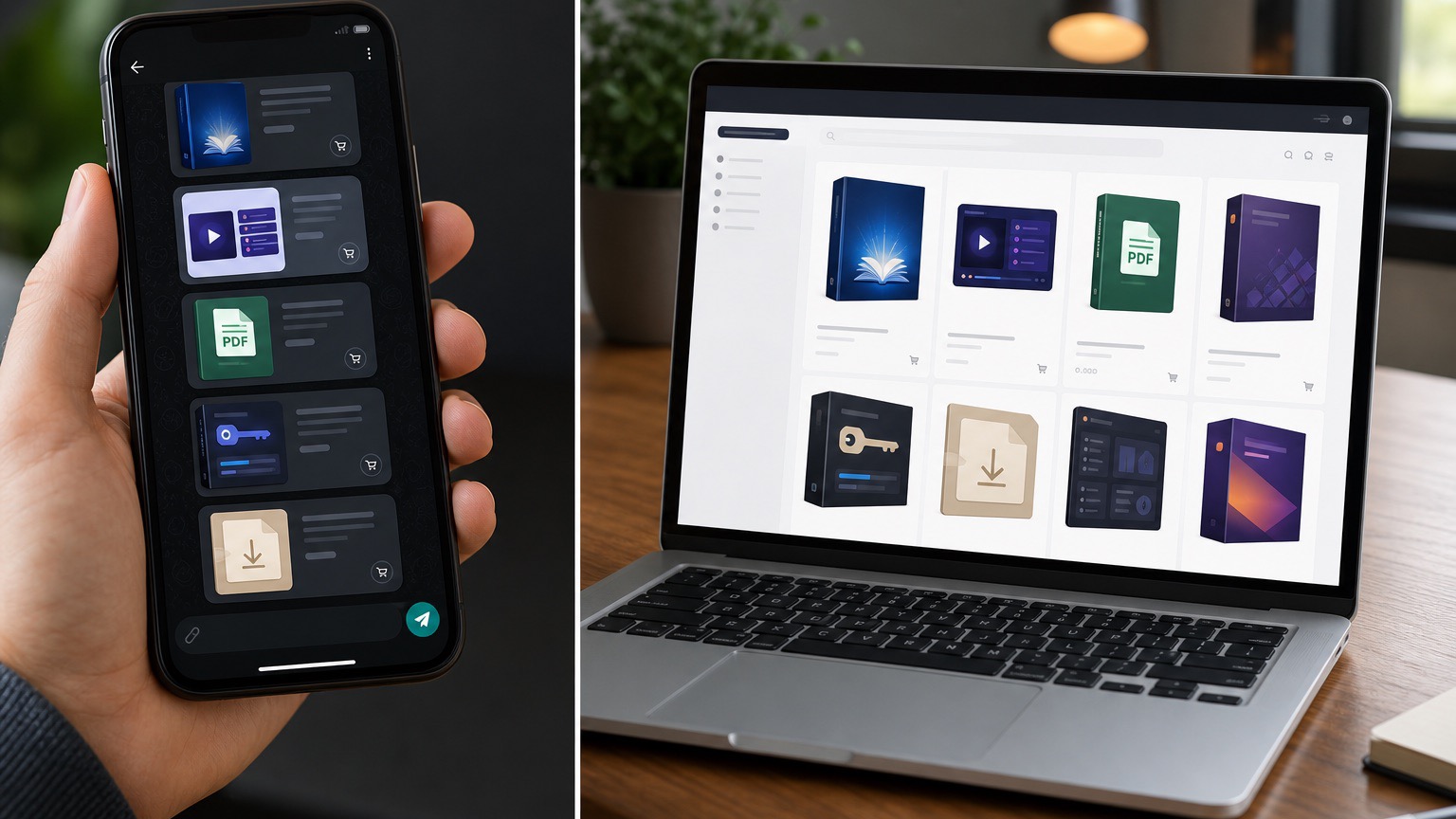
AvaGuru is a no-code Telegram store builder for digital products. It connects your bot to a Mini App storefront, accepts Telegram Stars, and automates file or license-key delivery after confirmed payment. This guide focuses on deciding what to sell and testing the business before expanding it. For the product overview, see the Telegram store builder.
Start with an audience problem
An existing Telegram channel gives you a place to talk with potential customers. It does not make every subscriber a buyer.
Look for repeated questions, tasks people find frustrating, or resources they already pay for. Talk to prospective buyers about how they solve the problem today. Then describe one offer in a sentence: who it serves, what they receive, and what they can do with it.
For example, a design community might need a reusable presentation template with clear commercial-use terms. A software community might want a tool you own and can support. These are product ideas to investigate, not income forecasts.
Choose a delivery model you can support
| Offer | What the buyer receives | Work to plan for |
|---|---|---|
| Ebook, template, or resource pack | Downloadable files | Documentation, compatibility checks, updates, and support |
| Software or game key | A key from your available license pool | Authorized sourcing, stock, activation instructions, and vendor support |
| Paid channel or group | Access linked to a Stars subscription | Ongoing content, moderation, and subscriber support |
AvaGuru delivers license keys; software activation and deactivation depend on your software or its licensing provider. Likewise, delivering a course PDF or video file does not provide a learning management system with quizzes, progress tracking, or certificates.
Start with the digital-downloads setup guide for file products. If the value comes from ongoing participation, use the Telegram creator monetization guide to plan the membership experience.
Calculate what each sale contributes
Digital goods sold inside Telegram bots and Mini Apps must use Telegram Stars. A card or crypto checkout is not an alternative payment method for those purchases.
AvaGuru charges a SaaS subscription and takes no percentage of merchant sales. That does not mean selling is free. Keep these costs separate:
- Fixed operating costs: your AvaGuru plan, other tools, and ongoing content or support commitments.
- Payment economics: the Stars buyers purchase, the rewards available to merchants, and the conditions and costs of withdrawal. Buyer purchase prices and merchant rewards are different amounts.
- Product and selling costs: key sourcing, advertising, refunds, support time, and applicable taxes.
There is no universal percentage of buyer spending that every Stars seller receives. Review the Telegram Stars payments guide and enter your assumptions in the Stars calculator. Check current AvaGuru pricing for plan limits rather than assuming unlimited stores or products.
A useful planning calculation is:
Contribution per sale = merchant proceeds after payment and withdrawal costs − variable product, refund, and support costs.
Then divide monthly fixed costs by that contribution to estimate the sales needed to cover those costs. If contribution is zero or negative, more sales will not solve the problem. This calculation is a planning tool; it does not predict sales volume or include costs you leave out.
A four-week validation plan
Use this as a sequence of work, not a deadline for earning a particular amount.
Week 1: Define one offer
Interview potential buyers, choose a specific problem, and prepare a sample. Write down what is included, what is excluded, and the support you can realistically provide.
Week 2: Prepare and test delivery
Connect your store bot, publish the product, and configure its files or key pool. Check pricing in Stars and test the buyer journey through payment, order confirmation, and access to the purchased item. Set a clear support and refund policy before promotion.
Week 3: Introduce it to a relevant audience
Explain the problem your product solves and show a useful preview. Share it in your own channel or communities where promotion is permitted. Track where inquiries and purchases come from; avoid treating reach or subscriber count as revenue.
Week 4: Review evidence
Review completed orders, refunds, support questions, and actual proceeds. Ask buyers what was useful and what was missing. Improve the offer before adding more products or paying for more traffic.
A useful first milestone is a tested purchase and delivery flow plus informed feedback from prospective buyers. There is no guaranteed date for your first sale.
Decide whether to expand
Expand when buyers understand the offer, delivery works, and the economics leave room for ongoing support. A recurring membership also needs a reason to renew; a large archive alone does not establish that demand.
If you already sell elsewhere, evaluate whether moving purchases into Telegram helps your actual audience. The Gumroad alternative for Telegram explains the trade-offs around payments, fees, and restoring past purchases.
When you are ready to test one product, open the AvaGuru dashboard and use the beginner setup guide. Keep the first launch small enough to learn from every support request and sale.